
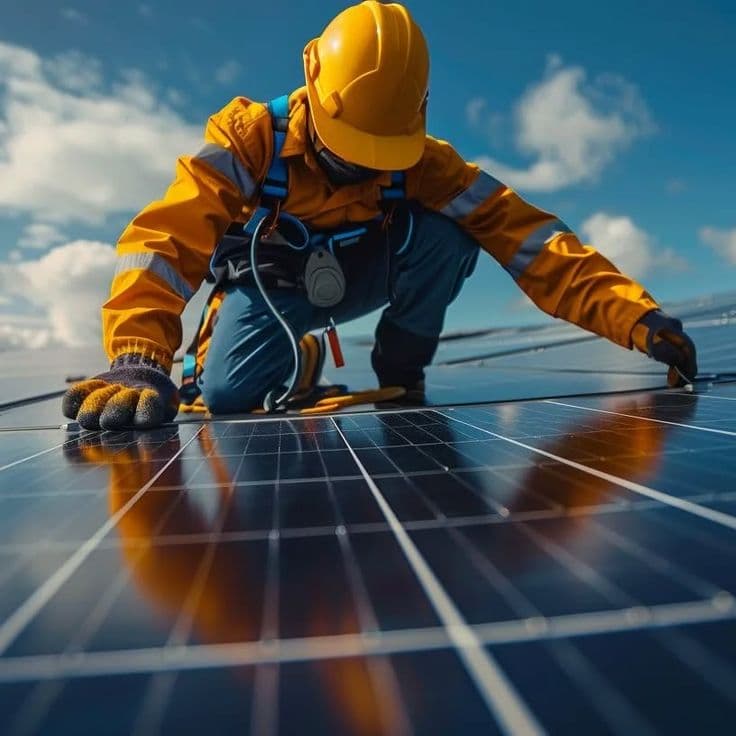
Powering Schools.Transforming Mobility.Building a Cleaner World.
Solar-powered community energy and mobility hubs across Sub-Saharan Africa and South Asia: no generator dependence, electric school buses, and public EV charging that pays for itself.
0+
Pilot Schools
Across Nigeria, India, and Pakistan
0
Solar Capacity
Monitored and deployed, Phase 1
0+
EV Charging Points
On strategic Lagos corridors, Phase 2
0
Revenue Streams
Self-financing from Day 1
0
Research Papers
Peer-reviewed pipeline, RSB
0
Countries
Student collaborator team active
Eighteen of the twenty countries with the largest electricity access deficits in the world are in Sub-Saharan Africa. SPARC+CM is the only programme designed to address school-level energy insecurity across this geography at scale, using a financially self-sustaining solar-retrofit model that does not depend on grid extension.
What We Do
Three systems, one solar installation, integrated by a single smart energy platform.
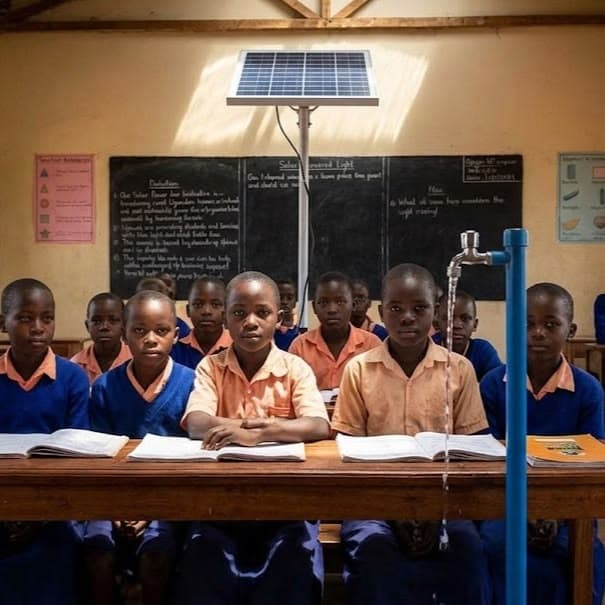
Solar Energy for Schools
Rooftop solar photovoltaic and battery storage systems eliminate fossil-fuel generator dependence and recover thousands of teaching hours lost annually to energy outages. Solar electricity goes to the school first, always and unconditionally.
Electric School Buses
Solar-charged electric buses, newly procured or circularly remanufactured from end-of-life petrol buses, cut transport fuel costs by over 200% against Nigeria's post-subsidy baseline and reduce bus fees for low-income families.
Community EV Charging
Surplus solar electricity powers public EV charging at school perimeters, accessible via app or USSD for unbanked users, generating revenue for the programme and income for the school.
The SPARC+CM Programme
School Programme Action for Renewable Charging and Circular Mobility is Tripp Energy and Mobility's flagship programme. Launching in Nigeria in September 2026 and deploying simultaneously in India and Pakistan from September 2027, SPARC+CM is designed to scale to tens of thousands of schools across five countries through a self-financing model that does not require ongoing subsidy.
The 5/10/5/80 fuel savings distribution model simultaneously reduces school bus fees for parents, generates institutional profit for school operators, and builds a financial pool that repays DFI investment capital and funds the next cycle of expansion. No school pays anything upfront. The programme pays for itself.
Anchored by Rennes School of Business
SPARC+CM is anchored by an independent academic research programme at RSB, triple-accredited and ranked in the Financial Times Top 100 globally. Seven peer-reviewed publications are planned across the programme's four-year implementation period.
Where We Operate
Six programme identities, one methodology, five countries designed to scale.
Nigeria (Lagos)
LASMOCEP
Lagos Solar Mobility and Circular Economy Programme
Lagos Solar Mobility and Circular Economy Programme. The founding deployment, launching September 2026 with two pilot schools.
View the full programme family →Partner With Us
We are actively seeking partnerships with development finance institutions, school operators, solar installation partners, EV technology suppliers, and academic institutions. Whether you are a DFI programme officer, a school proprietor, or a clean energy company looking to expand into African and South Asian markets, we want to hear from you.